
LAST MILE INTELLIGENCE

From reactive delivery to proactive performance

Last mile operations generate millions of signals every day. But performance does not improve simply because data exists. It improves when operational knowledge scales, risks are surfaced early, and daily decisions are supported with structure.

Last Mile Intelligence strengthens the products your teams already use. It turns delivery activity into shared, predictive guidance across planning, routing, tracking, and operations control.

As your network operates, learning compounds. What was once reactive becomes structured. What was once local becomes shared, and useful for everyone involved.

By loading the video, you accept Vimeo privacy policy. More information in our privacy policy.

Play

A new operating layer for the last mile

Build proactive performance

The structural friction behind daily delivery

Last mile performance does not break down because teams lack effort or data. It breaks down because knowledge stays local, risks surface too late, timing drifts from reality, and too many decisions depend on manual coordination.
Across high-volume delivery networks, these patterns repeatedly limit consistency and control.

Trapped Expertise

Driver and depot know-how often stays local. Parking habits, realistic stop times, and route details live with individuals instead of being reused across the fleet. When teams change, that knowledge disappears instead of scaling.

Reactive Operations

Teams often discover problems after they’ve already affected routes and customers. Instead of anticipating issues early, they spend the day reacting to delays and imbalances.

Trapped Expertise

Driver and depot know-how often stays local. Parking habits, realistic stop times, and route details live with individuals instead of being reused across the fleet. When teams change, that knowledge disappears instead of scaling.

Manual Coordination

Balancing workloads and adjusting sequences depends heavily on human oversight. Performance relies on experience and constant attention instead of automation that scales with the network.

Timing Drifts

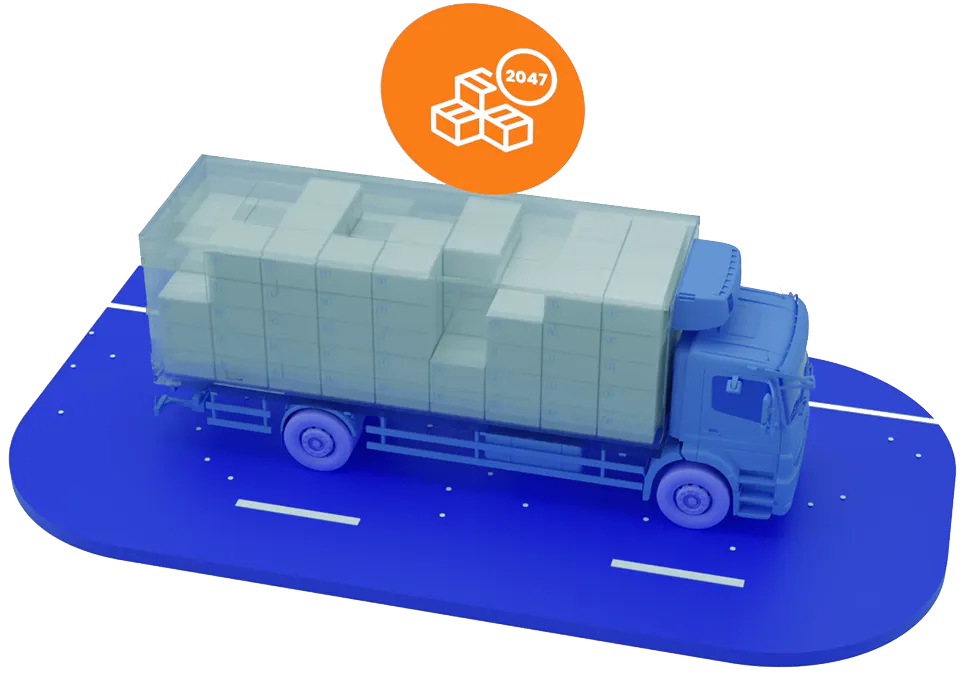
Planned stop times rarely match reality. Traffic, workload, and route changes create a gap between plan and execution, reducing predictability for operations and consignees.

Manual Coordination

Balancing workloads and adjusting sequences depends heavily on human oversight. Performance relies on experience and constant attention instead of automation that scales with the network.

This isn’t about fixing isolated problems. It’s about addressing the structure behind them. Performance at scale improves when operational knowledge is captured, shared, and continuously applied.

Built for how delivery really works

Last mile operations are complex because they are human, dynamic, and time-critical. Drivers adapt on the road, depots balance under pressure, and conditions shift throughout the day. Every parcel, scan, and deviation creates a signal, but signals alone do not improve performance.

What makes the difference is how those signals are interpreted, prioritized, and turned into action. This approach is built around three principles that support better decisions across the entire operation.

Human-centered optimization

Built around how drivers and depots actually operate. Real-world behavior is captured and reused so improvement happens without removing control.

Predictive Control

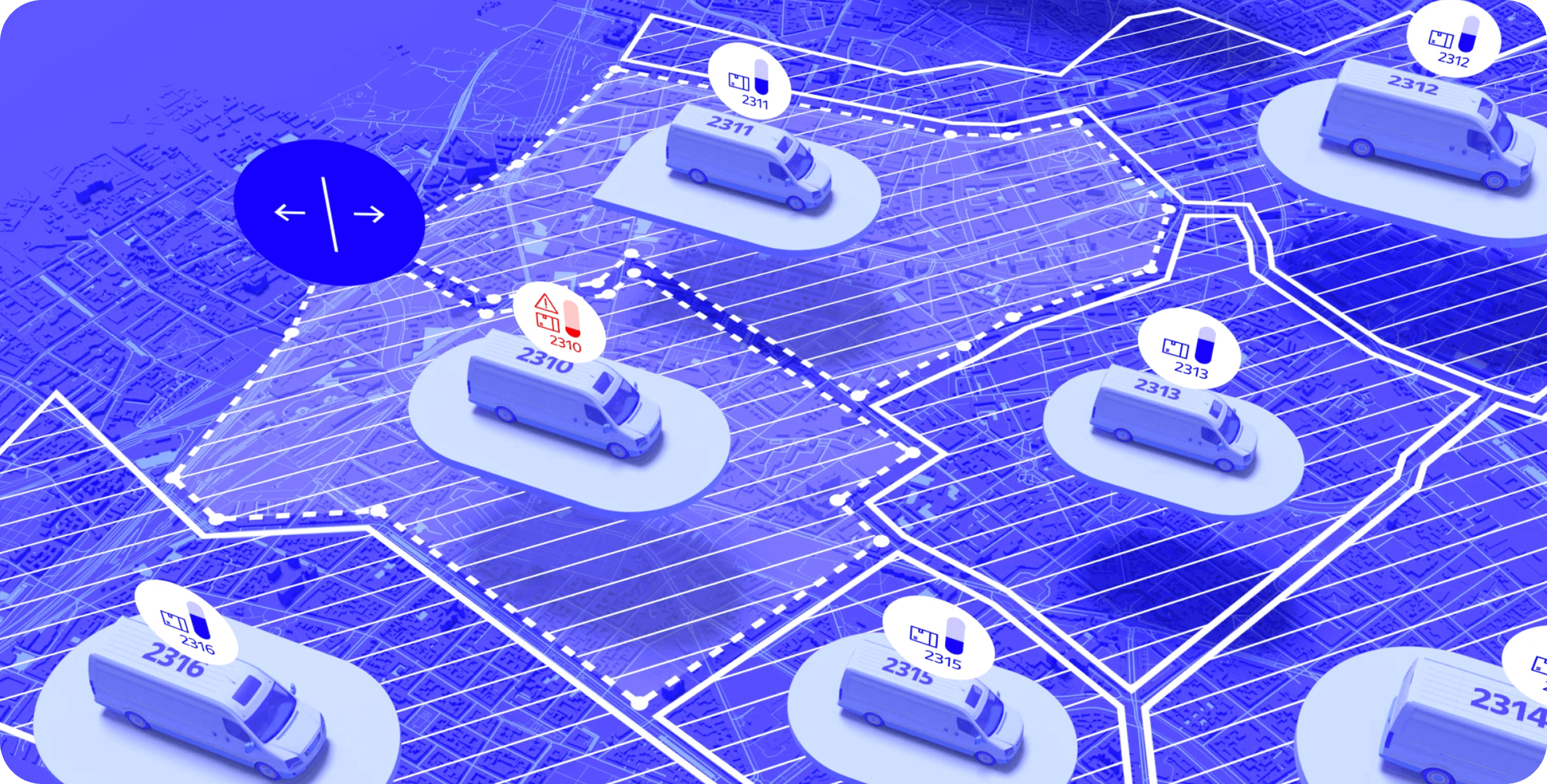
Routes, workload, and timing are continuously assessed to identify emerging risks early. Teams can adjust before disruption spreads.

Actionable Clarity

Operational signals are translated into clear priorities. Managers know where to focus without scanning multiple dashboards.

Human-centered optimization

Built around how drivers and depots actually operate. Real-world behavior is captured and reused so improvement happens without removing control.

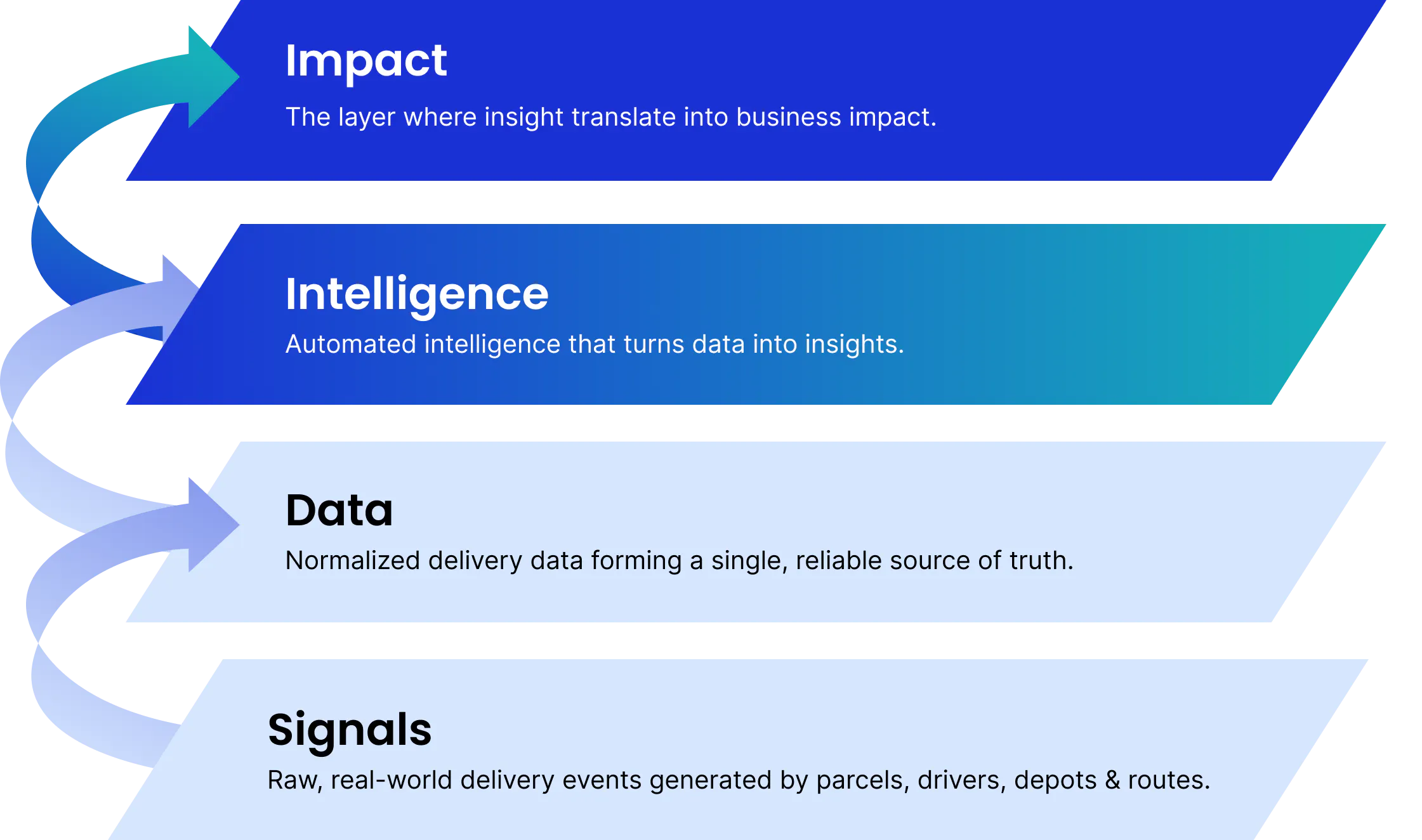
From operational signals to measurable improvement

Every parcel scan, route change, driver action, and delivery outcome creates a signal. Last-Mile Intelligence collects, validates, and interprets these signals across your entire network.

What was previously fragmented becomes structured.
What was reactive becomes predictive.
What was local knowledge becomes shared capability.

LMI Infographic_Placeholder

Where performance becomes visible

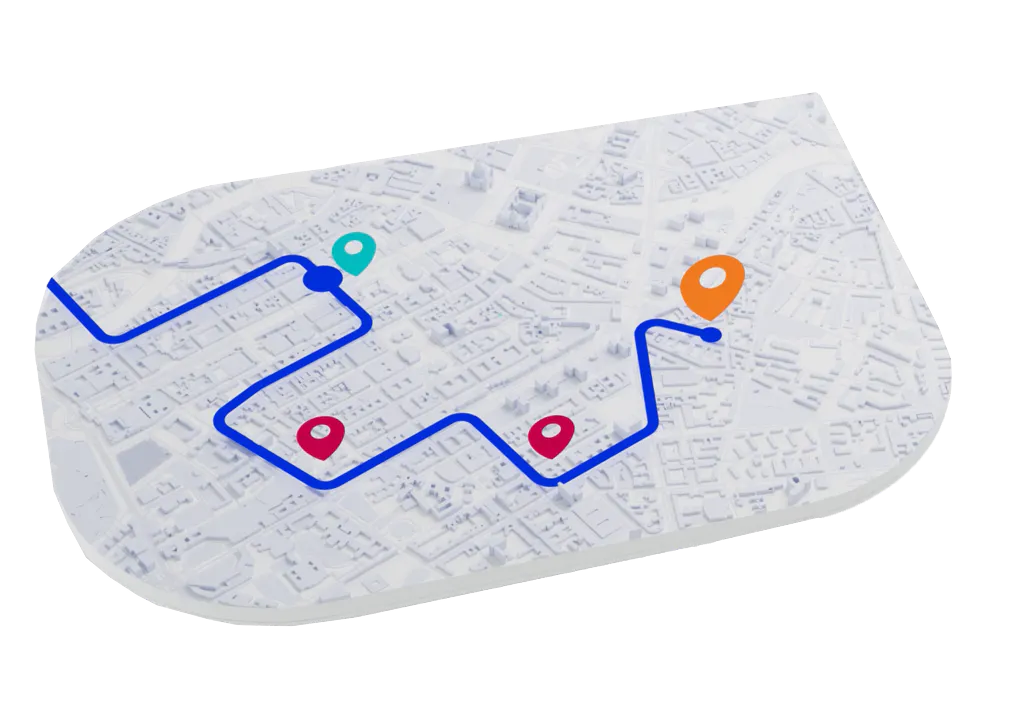
Performance improvements don’t live in theory. They show up in the tools your teams already use. From smarter operational guidance and predictive load balancing to adaptive routing and more accurate delivery windows, these capabilities are built directly into the Bettermile suite.

Back Office

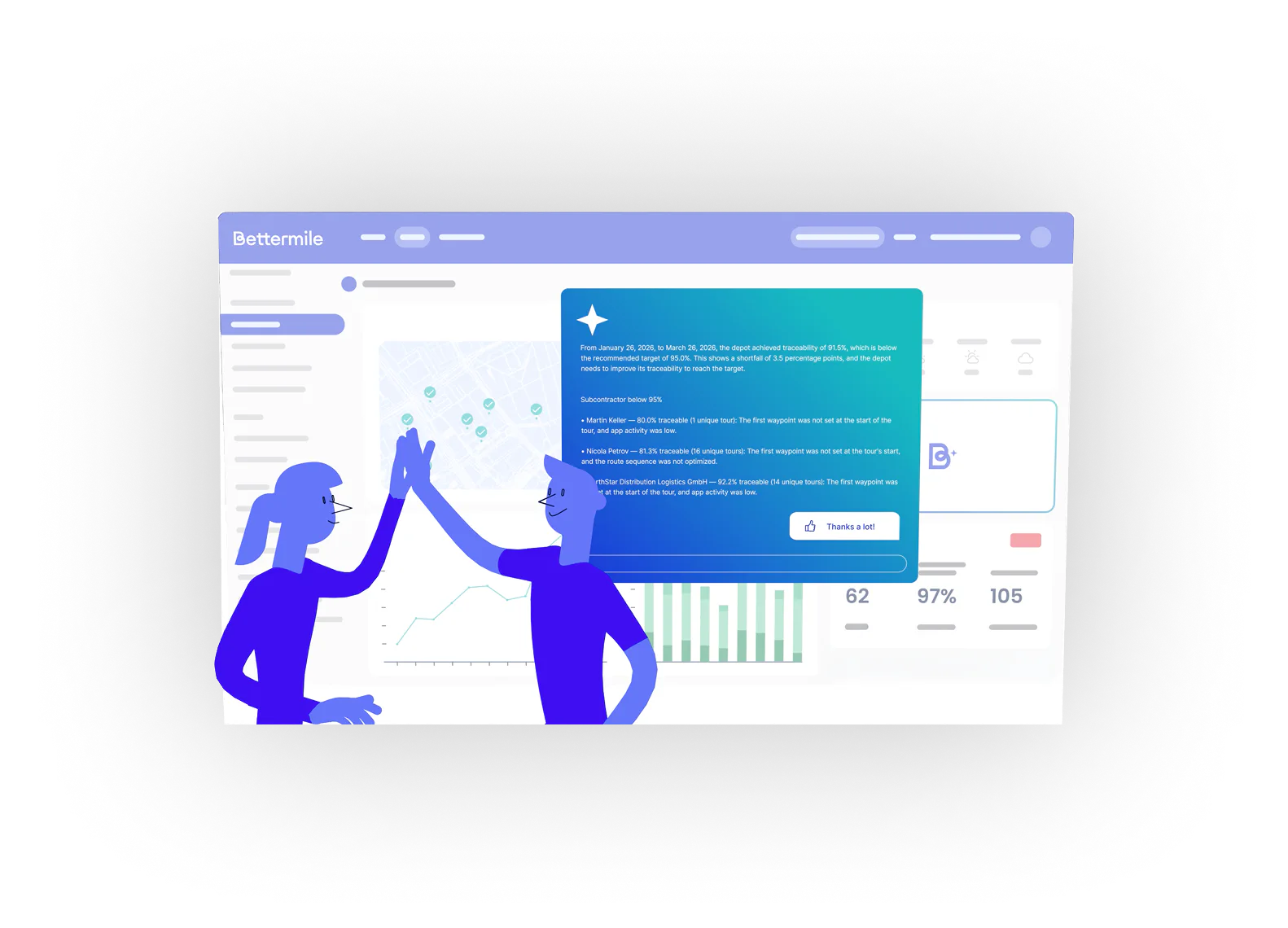
Smarter operational guidance

Instead of searching through dashboards, you see what needs attention right away. Risks, blocked tours, and performance patterns are highlighted automatically, helping managers focus on the decisions that matter most.

Better Planner

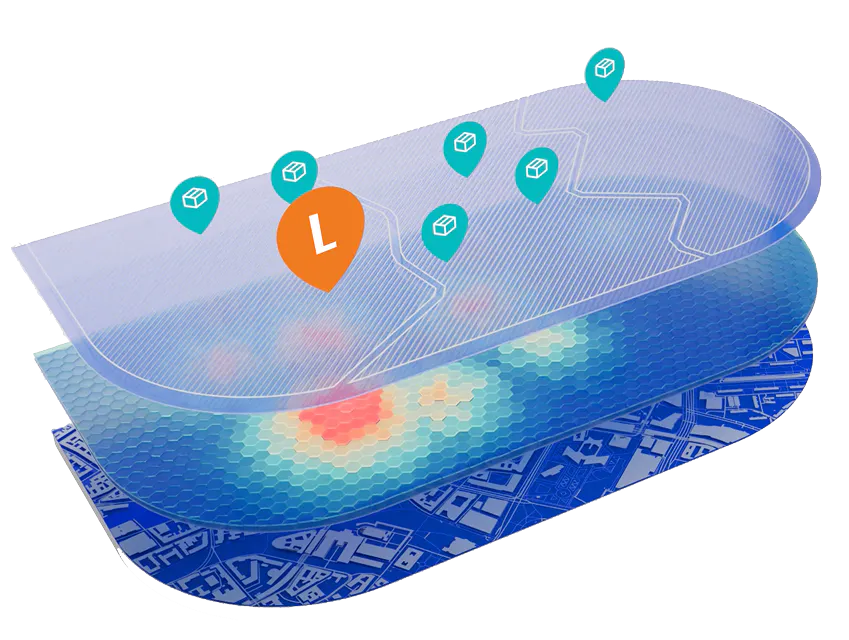
Predictive load balancing

Before routes are finalized, workload and depot patterns are evaluated so these are distributed more evenly. That means fewer last-minute changes and smoother starts to the delivery day.

Better Places

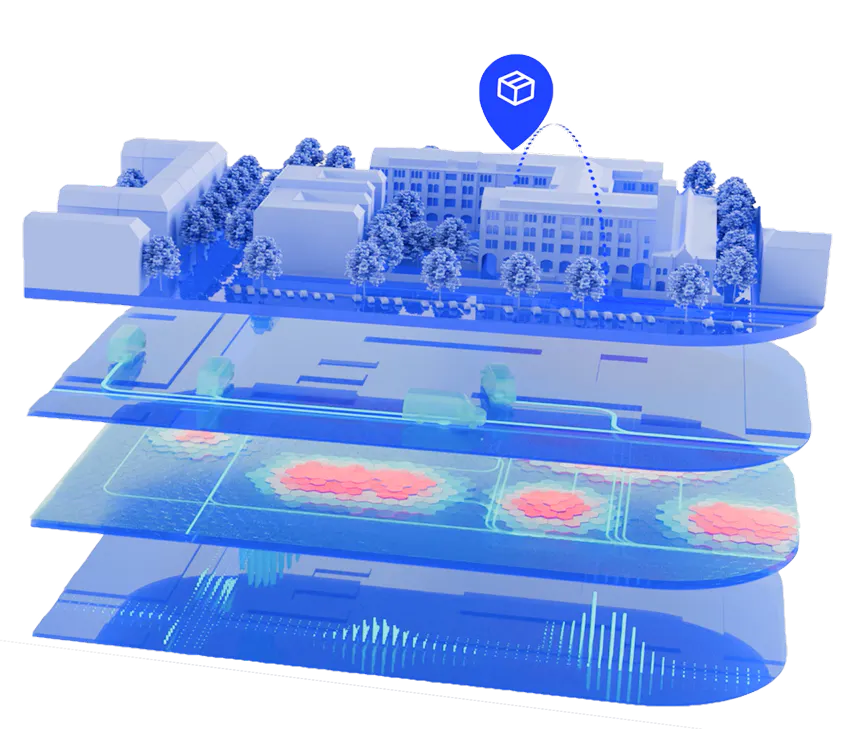
Verified delivery locations

Addresses are enriched with real driver feedback, so parking spots, entrances, and handover points are easier to find. Location knowledge becomes structured and reusable across the fleet.